From the heads of the governments of all the countries of the world to the general public, it is agreed that the climate is changing deeply. Everyone started saying that it is due to climate change when it is hot in summer and bone-chilling cold in winter.
Hence, climate change is considered a hot topic in academic discussions. In general, climate change refers to changes in water and air. In other words, when the water changes compared to normal, there is a flood, and everything including the population is flooded. It is called the result of climate change.
On the other hand, climate change is more hot in summer and colder in winter, which is caused by climate change. We say that climate change is caused by rising global temperatures.
One of the multidimensional effects that climate change creates on mankind is migration, that is, the movement of people from one place to another and temporary or permanent residence. Migration researchers say that this is what happens when the world begins.
People usually leave their native land to live in other places to save life or to live well. At present, when people leave their native land and migrate to another place due to climate change, it is called climate-induced migration. But, there is also much discussion and debate about climate migration. Some say it is natural migration. Others say it’s climate-induced displacement and migration.
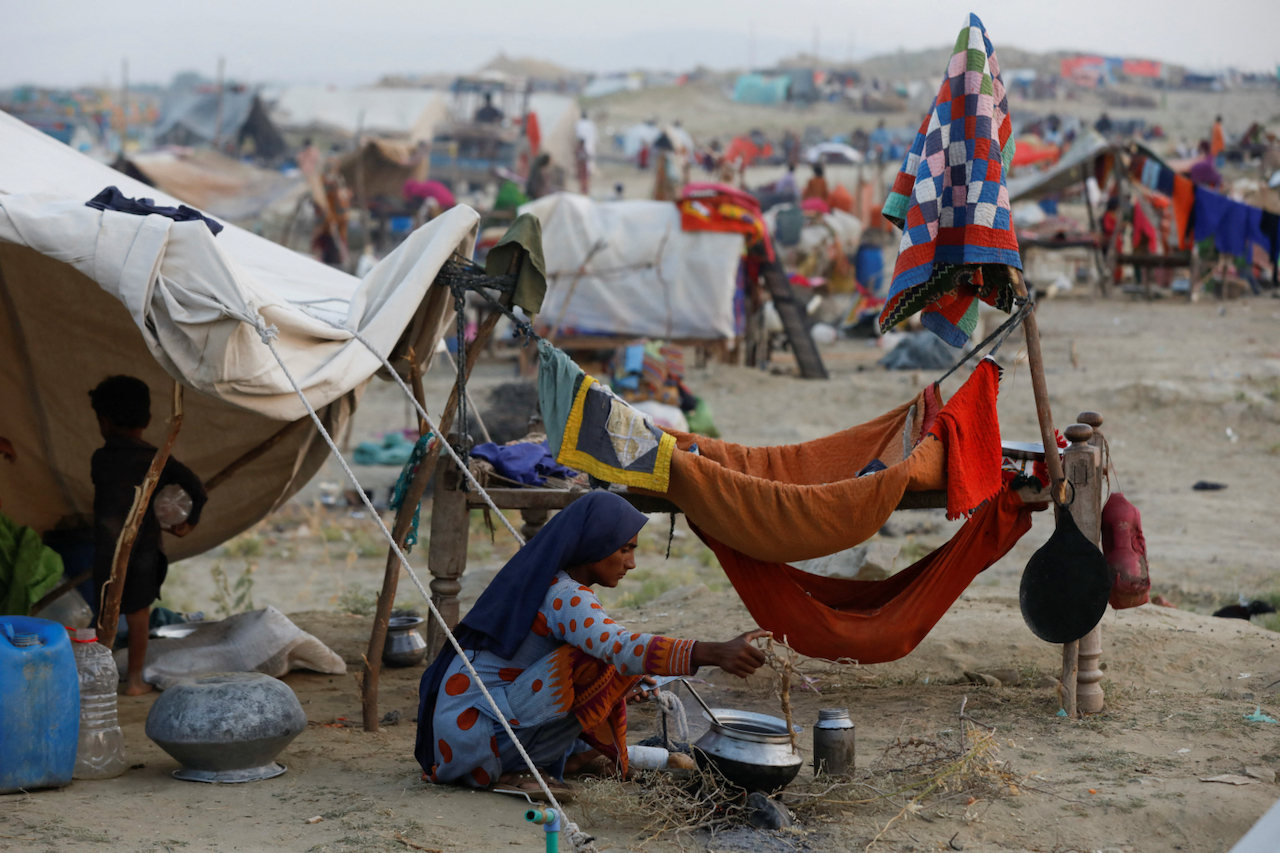
Due to climate, the damage of Bangladesh is more than other countries of the world. Geographical location and tropical influence make the country exposed to different types of climatic events. As a result, displacement continues to increase. Some at home try to adapt, some settle in cities far away so that they can return home when the odds are over. But, sometimes they don’t go back to their place of origin, they become local migrants.
People usually leave their native land to live in other places to save life or live well.
Some critics disagree with the growing tendency to link these changes in environment and society to climate change. Many conflate climate change with migration, they think, attracting international attention. In that case, one of their objectives is to attract the attention of the developed world and donors and collect funds.
They claim that these researchers profit by doing climate business. But, the affected population rarely comes under the aid. Even if we receive trickle of aid, it is not sustainable. So those who are alleged to be traded are completely ignored.
Again, research shows that the rich and intellectual society of the country is doing a kind of business by capitalizing on climate change. For example, river erosion is a common practice in Bangladesh. As a result of the river erosion, people left their homes and started living on water-side roads and embankments. Many believe that this displacement has been going on for generations.
They also note that such erosion is increasingly seen as caused by climate change, which is largely related to political and vested interests. Displaced people are called migrants and attract the attention of Western media and donor countries. They are depicted as ‘climate refugees’, or people ‘swallowed by the river’. But, a short-term environmental shock like riverbank erosion is not due to climate change, nor are riverbank-displaced people necessarily climate migrants.
People in coastal areas suffer greatly due to rising sea levels and intrusion of salt water into their habitats. Gradually they left their native land and were displaced, came to the city in search of livelihood…
They feel that this is part of a political problem, where the state fails to prevent erosion and save these communities from habitat loss. Populations are called climate migrants to hide the overall failure of the state.
People in coastal areas suffer greatly due to rising sea levels and intrusion of salt water into their habitats. Gradually they are displaced from their native lands, move to cities in search of livelihood, permanently live in cities as climate migrants.
In theoretical discussions they are defined as climate migration. But, such issues are complicated by the lack of state legislation, where climate change debates become more powerful. Many people think that in this discussion, the predatory classes that produce tiger prawns go into hiding.
People displaced from tiger-shrimp producing areas are more affected by environmental changes than those displaced by the political elites of society. But, in the overall discussion they are promoted as climate migration.
Year after year they go far away due to salt water. On the other hand, where shrimp farming continues in Dedars, the looters keep the process going because of their vested interests.
The debate over climate migration actually undermines the position of those displaced by climate change. These displaced people cannot come under the kind of protection they need. On the other hand, donor countries are hesitant about climate change migration. As a result, climate reductionist interpretations of migration misrepresent socio-economic and environmental processes in coastal Bangladesh.
Finally, even if the discussion of immigration is established, climate change is a problem.