Faruk Hasan, Staff Reporter, CBN
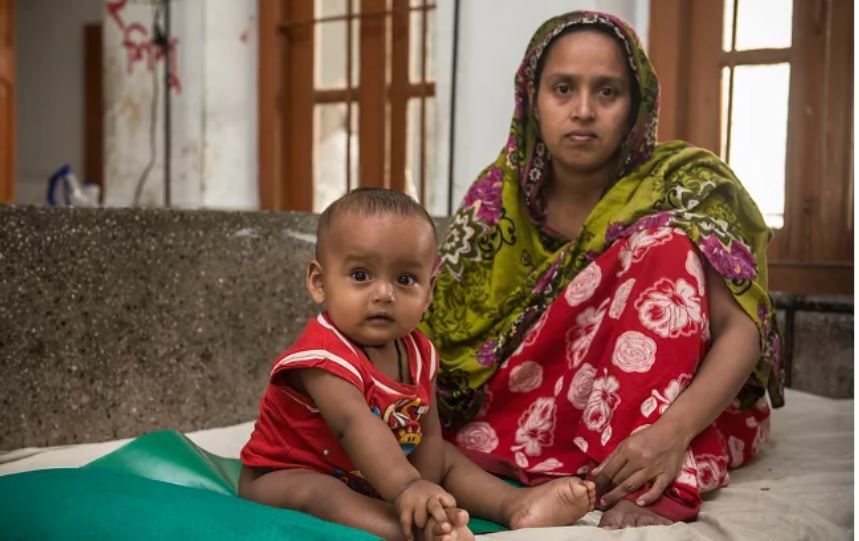
Bangladesh, a low-lying deltaic country, is one of the most climate-vulnerable nations in the world. Its geographic location makes it highly susceptible to the adverse effects of climate change, such as rising sea levels, frequent floods, cyclones, and erratic rainfall. Among the most affected are children and women, who face unique and disproportionate challenges in coping with these environmental stresses. This report explores the multifaceted impacts of climate change on these vulnerable groups in Bangladesh, highlighting their struggles and the urgent need for focused interventions.
Climate change intensifies natural disasters in Bangladesh, resulting in displacement, food insecurity, and health crises. Children are particularly vulnerable due to their developing bodies and reliance on adults for care. Malnutrition rates rise as agricultural productivity declines, affecting children’s growth and cognitive development. Floods and cyclones disrupt schooling, causing educational setbacks. Additionally, children face increased risks of waterborne diseases and malnutrition-related illnesses.
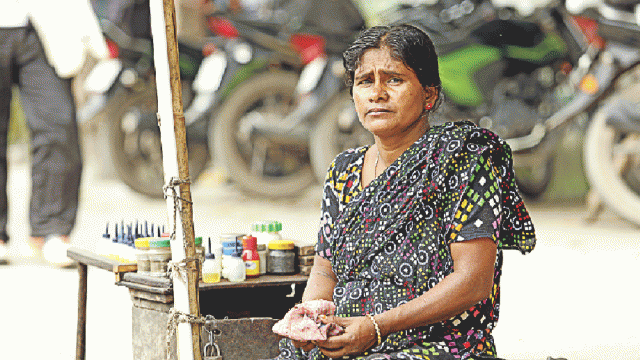
Women, especially in rural areas, bear the brunt of climate impacts due to social and economic inequalities. They often manage household water, food, and fuel, tasks that become more difficult and time-consuming during climate-induced crises. Displacement and resource scarcity exacerbate their vulnerability to gender-based violence, trafficking, and health issues. Moreover, women’s limited access to resources and decision-making processes restrict their ability to adapt to climate challenges effectively.
Addressing the climate crisis in Bangladesh requires gender-sensitive policies that prioritize the needs of children and women. Empowering these groups through education, healthcare, and economic opportunities is crucial for building resilience. Only through inclusive climate action can Bangladesh protect its most vulnerable populations and secure a sustainable future.